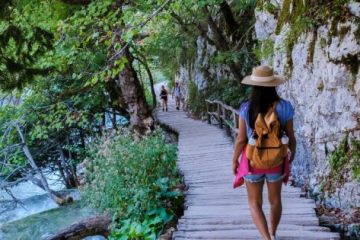
Slow Travel Trends Gaining Popularity
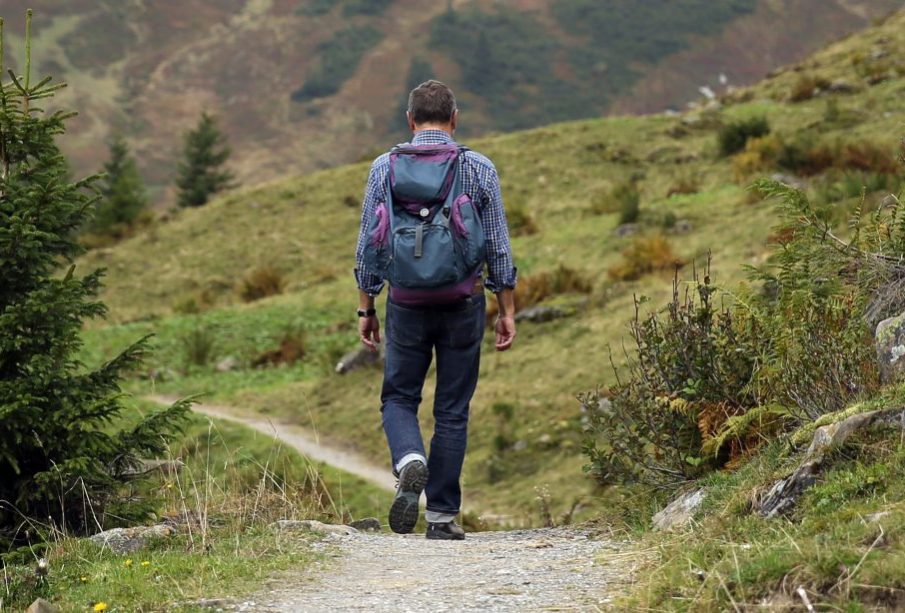
For decades, the standard approach to a vacation was defined by a high-speed itinerary. Travelers packed their bags to visit multiple cities in a single week, rushing from one iconic landmark to the next, waking up early for tour buses, and spending significant time in transit hubs. The ultimate goal was accumulation: seeing as many sites as possible, snapping photos, and checking boxes on a list. While this fast-paced tourism filled photo albums, it frequently left individuals returning home more exhausted than when they departed.
A profound cultural shift is transforming the global tourism landscape. Travelers are actively rejecting the frantic pace of traditional vacationing in favor of slow travel. This movement prioritizes depth over distance, connection over consumption, and relaxation over a rigid schedule. Slow travel encourages individuals to settle into a single location, embrace the rhythm of local life, and build a meaningful relationship with their surroundings.
The Core Philosophy of Mindful Exploration
Slow travel is not merely a method of transportation; it is a mindset. It stems from the broader slow movement, which began as a protest against fast food and has since expanded into work, fashion, and lifestyle. In the context of tourism, this philosophy challenges the notion that the value of a trip is directly tied to the number of miles covered or sights witnessed.
At its core, slow travel relies on several foundational principles:
-
Fewer Destinations: Instead of a multi-city sprint, a slow journey focuses on a single neighborhood, town, or region.
-
Extended Stays: Travelers typically book accommodations for a week, a month, or even longer, allowing them to establish a temporary home base.
-
Flexible Routines: Rigid itineraries are abandoned in favor of open-ended days that adapt to personal moods, weather, and unexpected local recommendations.
-
Local Integration: The focus shifts from mass tourist attractions to small, independent businesses, community markets, and neighborhood cafes.
By shifting the focus from checking off bucket list items to experiencing the authentic fabric of a destination, travel becomes an act of restoration rather than a source of stress.
Key Drivers Behind the Slow Travel Boom
The accelerating popularity of slow travel is not an overnight phenomenon. It is the result of evolving societal values, technological changes, and a growing awareness of the impact of global tourism.
1. The Backlash Against Burnout and Digital Saturation
Modern life operates at an intense pace, characterized by constant connectivity, demanding work schedules, and endless digital notifications. When individuals experience chronic professional and mental burnout, they seek a genuine reset during their time off. Fast-paced tourism simply replicates the high-stress environment of daily life. Slow travel provides a vital alternative, offering a psychological sanctuary where the nervous system can rest, recover, and recalibrate without the pressure of a ticking clock.
2. The Expansion of Workplace Flexibility
The normalization of remote and hybrid work models has detached millions of professionals from physical office desks. This professional mobility allows individuals to engage in working vacations, or workations. Since they do not need to rush back to an office on Monday morning, these remote workers can relocate to a coastal village or a mountain town for several weeks. They work during standard hours and use their evenings and weekends to explore the area at a leisurely pace, blurring the lines between living, working, and traveling.
3. Sustainability as a Default Preference
Environmental consciousness has moved from a niche concern to a primary motivator in consumer decision-making. Travelers are increasingly aware of the heavy carbon footprint associated with short-haul flights and frequent regional transit. By choosing to stay in one place and using trains, bicycles, or their own two feet to get around, slow travelers significantly reduce their environmental impact. This approach represents a more responsible form of tourism that preserves the natural beauty of host destinations.
4. Economic Value and Conscious Spending
While luxury has traditionally been associated with expensive, rapid-fire experiences, a re-evaluation of wealth is underway. Time, peace, and simplicity are the new markers of luxury. From a practical standpoint, slow travel can also be highly cost-effective. Booking a single accommodation for an extended period often unlocks significant discounts compared to nightly hotel rates. Furthermore, avoiding constant intercity flights, train tickets, and overpriced tourist trap restaurants keeps expenses manageable, allowing travelers to channel their funds directly into the local economy.
Defining Trends Within the Slow Travel Movement
The slow travel philosophy manifests in several distinct travel patterns that are reshaping the hospitality and tourism industries.
The Renaissance of Rail Travel
Overland transit is no longer viewed as a backup option when flights are unavailable; it has become a preferred travel highlight. Across the globe, investments in high-speed rail network expansions and the revival of historic night trains are drawing passengers who want to experience the journey itself. Watching the landscape change through a train window provides a smooth, meditative transition between home and the destination, completely eliminating the stress of airport security queues and baggage claims.
Agritourism and Rural Immersions
Farm stays, organic vineyard accommodations, and eco-lodges are experiencing a massive surge in demand. Travelers are eager to literally touch grass and disconnect from urban centers. These stays often include opportunities to participate in a local harvest, learn traditional cooking methods using ingredients grown on-site, or simply observe the quiet daily routines of agricultural communities. This trend provides a powerful digital detox while supporting rural economies that are frequently overlooked by mainstream tourism.
The Rise of Low-Adrenaline and Quiet Vacations
For a long time, travel marketing focused on high-adrenaline adventures, packed excursions, and vibrant nightlife. Today, a growing segment of travelers seeks quiet vacations. These journeys prioritize silence, comfort, nature immersion, and minimal decision-making. Activities include stargazing in dark-sky preserves, wild swimming in remote lakes, long-distance walking paths, or lingering for hours at a neighborhood café with a book. The goal is to simply exist in a space without the obligation to be constantly entertained.
The Multi-Layered Benefits of a Slower Pace
Embracing a slower pace yields profound advantages for both the individual traveler and the communities that host them.
Cultivating Deep Cultural Connections
When you spend a week in a single neighborhood rather than two days in three different cities, your status shifts from a detached tourist to a temporary neighbor. You start recognizing the local baker, finding a favorite coffee spot, and understanding the social customs of the area. These extended interactions open the door to genuine conversations and cross-cultural understanding that surface-level sightseeing simply cannot provide.
Positive Local Economic Impact
Mass tourism frequently channels wealth into multinational hotel chains, global cruise lines, and major booking platforms, leaving little financial benefit for residents. Slow travelers tend to live like locals. They rent apartments from residents, shop at neighborhood grocery stores, eat at family-run diners, and hire independent local guides. This ensures that travel spending directly supports community livelihoods and fosters equitable economic development.
Cultivating the Mindset for Your Next Journey
Transitioning from a conventional tourist mindset to a slow travel approach requires conscious effort. On your next trip, consider reducing your destination list by half and doubling the duration of your stay in the remaining locations. Resist the temptation to plan every hour of your day; instead, leave vast blocks of time entirely open for spontaneous exploration.
Look for accommodations that offer kitchen facilities, which encourages shopping at local markets and experiencing the regional food culture from an insider perspective. By choosing to slow down, you stop treating travel as a high-speed scavenger hunt for photos and start treating it as a meaningful investment in your well-being and global understanding.
Frequently Asked Questions
What is the difference between slow travel and sustainable tourism?
While slow travel and sustainable tourism share overlapping goals, they are distinct concepts. Sustainable tourism is a broad framework focused on minimizing the negative environmental, economic, and socio-cultural impacts of travel. Slow travel is a specific, experiential travel methodology that prioritizes a relaxed pace, deeper local connections, and extended stays. Slow travel naturally tends to be sustainable because it reduces transportation emissions and supports local businesses, but its primary focus is on the quality of the traveler’s experience and connection to a place.
How can someone practice slow travel if they only have a short vacation window?
Slow travel is defined by a mindset rather than a specific number of days. If you only have a three-day weekend, you can still practice slow travel by choosing a single location close to home, rather than trying to visit multiple sights. Instead of driving across an entire state or taking multiple short flights, select one small town, book a local guesthouse, turn off your phone notifications, and spend your time exploring that square mile on foot without a set schedule.
Does slow travel mean avoiding famous landmarks and tourist sites entirely?
Not necessarily. Slow travel does not require you to ignore iconic landmarks. Instead, it changes how you interact with them. Rather than rushing through a famous museum in an hour to catch a tour bus, a slow traveler might spend an entire day inside, followed by an evening sitting in the adjacent plaza observing the local atmosphere. The objective is to avoid rushing, allowing yourself to fully absorb the experience of the site without anxiety.
How do slow travel trends impact the traditional hospitality sector?
The rise of slow travel is forcing hotels and resorts to adapt their offerings. Many properties are introducing extended-stay packages, adding in-room kitchen facilities, and creating coworking spaces for remote workers. There is also a greater focus on curated simplicity, where hotels partner with local artisans, farmers, and guides to offer authentic, low-key experiences on-site, moving away from generic, mass-produced tourist entertainment.
Is slow travel suitable for families traveling with young children?
Slow travel is often highly beneficial for families. Rushing young children through tight transit schedules, multiple hotel check-ins, and long sight-seeing lines frequently leads to stress and exhaustion for both parents and kids. Settle into a single vacation rental for a week or two to establish a comfortable daily routine. Children can explore local parks, become familiar with the neighborhood, and enjoy a predictable, low-stress environment that allows for meaningful family bonding.
What are the main challenges people face when trying slow travel for the first time?
The primary challenge is overcoming decision anxiety and the fear of missing out. Modern travelers are conditioned to believe that a successful trip requires seeing every major attraction listed online. Letting go of a packed schedule can initially feel unproductive or induce guilt. Another practical challenge is logistical preparation, as arranging extended stays, navigating local public transportation networks, and managing remote work requirements requires more independent planning than booking a pre-packaged commercial tour.